

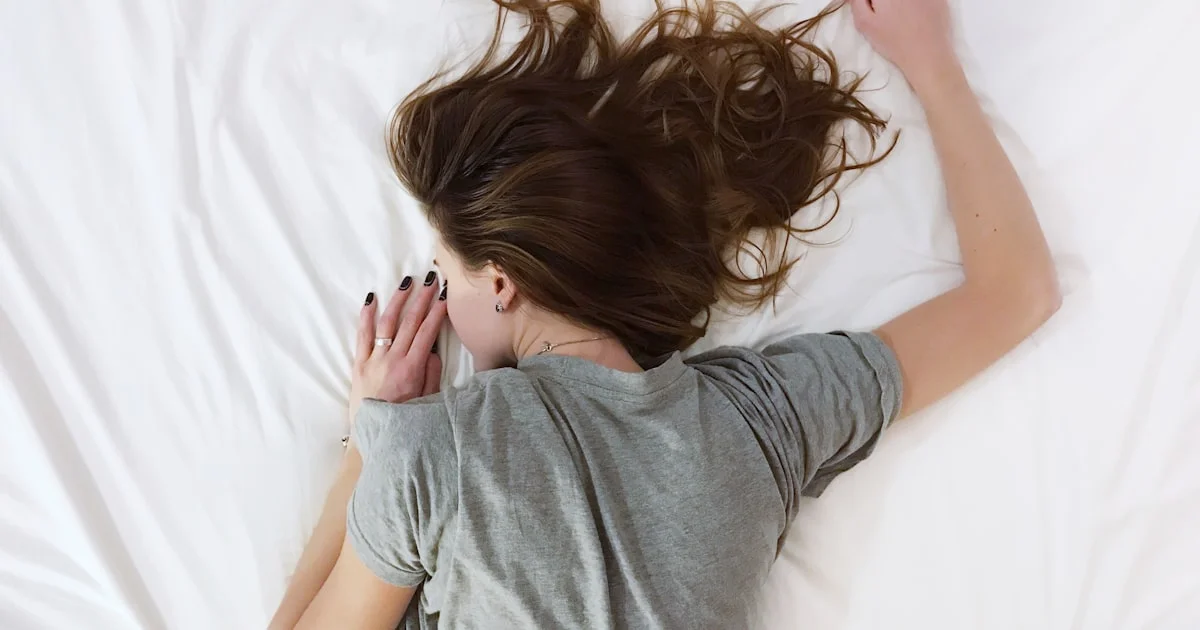
You wake at 3 a.m. with the comforter on the floor and the fitted sheet damp under your back. If that is your night, the best cooling mattress pad for hot sleepers is not the one with the loudest marketing claim. It is the one that matches your room, your bed, and whether somebody else is sleeping next to you.
Those three things decide far more than any number printed on the box.
Key Takeaways
- Passive pads soak up heat and then stop working. One test measured a 3.2°F drop from baseline, and gel saturates within two to three hours.
- Active water systems keep pulling heat out all night. The same testing measured a 12–14°F drop, but a queen setup runs about $549 to $699 and hums at roughly 45 dB.
- Your core body temperature falls about 2°F overnight. A hot room blocks that drop, which is why heat wrecks deep sleep and REM.
- If you share a bed with someone who runs cold, dual-zone is the only version that ends the argument.
- When the whole room is hot, sheets and airflow are the cheap fix to try before a $700 machine.
What the Best Cooling Mattress Pad for Hot Sleepers Actually Does
The short answer: it either absorbs your body heat until it runs out of room, or it hauls that heat away continuously with circulating water or air. Everything else — fabric names, gel colors, marketing words like “phase-change” — is a detail underneath that one split.
Passive pads use gel, phase-change material, and breathable weaves to pull heat off your skin on contact. They feel wonderful for the first hour. Then they reach your body temperature and the effect stops, usually somewhere between one and three hours in. That is not a defect. It is physics, and no passive product escapes it.
Active systems run a pump. Cooled water moves through thin tubes sewn into a topper, so heat leaves the bed instead of collecting in it. They hold a set temperature — one common range is 55°F to 115°F — for as long as the unit is on.
Why this matters at all: the Sleep Foundation puts the ideal bedroom near 65°F, with doctors generally recommending 65 to 68°F. Your body cools itself by pushing blood to your hands and feet, and core temperature drops roughly 2°F across the night before bottoming out toward morning. Research links a raised core temperature to less slow-wave sleep, and hot rooms cut REM sleep too. A cooling pad is not a comfort accessory. It is there to let a normal biological process happen.
Renting a Place With No Air Conditioning
This is the hardest situation and the one where an active system earns its price. You cannot cool the room, so you cool the surface you lie on. Nothing passive keeps up with an 80°F bedroom in July, because a passive pad has nowhere to send the heat.
Three practical constraints in a rental:
- The control unit sits on the floor beside the bed and needs an outlet within reach. Measure that gap before you buy, not after.
- Water-based units need refilling with distilled water periodically. Build it into a routine you already have, like Sunday laundry, or you will discover the tank empty at midnight.
- Nothing gets drilled, screwed, or attached to the building, so the whole setup leaves with you.
The noise is real and worth knowing about in advance. Around 45 dB is roughly a quiet refrigerator. Some people stop hearing it in a week. Light sleepers should treat it as a genuine trade-off rather than a footnote.

Sharing a Bed With Someone Who Runs Cold
Two people, one mattress, two completely different thermostats. This is the scenario where a cooling mattress topper review that only tests one sleeper tells you nothing useful.
Dual-zone active systems solve it properly: each side has its own temperature, and the same hardware that cools one side can warm the other, since these units typically run up to about 115°F. That is the rare case where one purchase makes two people happier.
Passive pads cannot do this. A gel layer cools whoever is lying on it, so the cold sleeper gets a chilly surface they did not ask for. If your budget only reaches passive, the better move is a passive pad on your half plus a warmer blanket on theirs.
Waking Up Damp, Not Just Warm
Sweat changes the problem. Once the surface is wet, evaporation stalls and a gel layer saturates faster than it otherwise would. What helps here is moisture movement, not just heat absorption.
Practical steps, cheapest first:
- Switch to a moisture-wicking sheet material — Tencel lyocell is specifically noted for night sweats, and bamboo viscose works well in humid climates.
- Add a washable protector layer you can swap mid-week without stripping the whole bed.
- Check that whatever pad you buy is machine washable. Some active toppers are; plenty of foam ones are not.
- Drop the room a couple of degrees before bed rather than after you are already awake at 3 a.m.
One honest note: night sweats that are heavy, new, or come with other symptoms are worth raising with a doctor. Bedding is a comfort fix, not a diagnosis.
A Small Bedroom With Nowhere to Put a Machine
In a studio or a small room where the bed nearly fills the floor, an active system’s control unit becomes furniture you did not want. This is where a gel memory foam cooling pad makes sense despite its limits: no pump, no tank, no cord, no noise.
Set expectations honestly. A standard gel pad runs $35 to $80 and buys you a cool surface at the moment you get in, which genuinely helps people who struggle to fall asleep but sleep fine once they are under. If your problem is waking at 3 a.m., a gel pad will not fix it, and no amount of spending on a nicer gel pad will change that.
Also check depth. A topper adds height, and a pad plus a thick mattress can defeat the corners of standard fitted sheets.
Before You Spend $700: The Cheap Fixes
Plenty of people who think they need a cooling system actually need better bedding. The best cooling sheets change the surface you touch for a fraction of the price, and material matters more than thread count.
Percale weave breathes better than sateen — sateen is softer and shinier but heavier, and it traps more heat. Linen and Tencel lyocell both do well for hot sleepers. Cotton percale sets run roughly $100 to $294 depending on brand. Higher thread count adds durability and softness but is not the thing that keeps you cool.
Also worth trying first: move air across the bed with a fan, keep blinds closed through the afternoon, and start cooling the room an hour before bed rather than at bedtime.
Which Situation Needs What
| Your situation | What it needs | What to skip |
|---|---|---|
| No AC, hot room all night | Active water or air system | Gel pads — they saturate long before morning |
| Partner runs cold | Dual-zone active system | Any single-surface passive pad |
| Hot only at bedtime, fine after | Gel or phase-change pad | A $700 pump you will barely use |
| Night sweats and damp sheets | Wicking sheets plus a washable layer | Sateen sheets and thick foam toppers |
| Tiny room, no floor space | Passive pad and better airflow | Anything with a control unit |
| Room is only warm, not hot | Percale, linen, or Tencel sheets | Spending on a pad first |
Related Articles
- Portable Neck Fan for Summer: A Practical Buying Guide
- Top 5 Air Purifiers for Allergies Under 150: A Buyer’s Guide
- Best Smart Scale for Body Fat: What the Numbers Really Mean
Frequently Asked Questions
These are the questions that come up once someone has actually looked at prices and started comparing a $60 pad against a $600 system.
Do cooling mattress pads really work?
Both types work, but for different lengths of time. Testing measured a 12–14°F drop from baseline surface temperature for water-cooled systems and about 3.2°F for the best passive pad tested. The passive effect fades as the material saturates; the active one holds as long as the unit runs.
How much noise does an active cooling system make?
One measured unit sits near 45 dB, described as comparable to a quiet refrigerator. That is not silent. If small sounds keep you awake, put the control unit as far from your head as the hose allows and try it during a return window.
Is a cooling pad better than just turning the AC down?
If you have working AC and can afford to run it, lowering the room to the 65–68°F range is the simpler answer. A pad earns its place when you cannot cool the room — a rental without AC, a bedroom that bakes, or a partner who will not tolerate a cold room.
Will a cooling pad fit my mattress?
Check total height, not just mattress size. A topper adds inches, and a deep mattress plus a thick pad can pull standard fitted sheets off the corners. Deep-pocket sheets solve it, but it is cheaper to know before the pad arrives.
The Bottom Line
Match the product to your actual night, not to the best-sounding review. A gel pad is enough if you only run hot at bedtime; an active system is worth the money and the hum if your room stays hot and you keep waking up. And if the room is merely warm, better sheets may be the whole answer.


5 Comments
Comments are closed.