

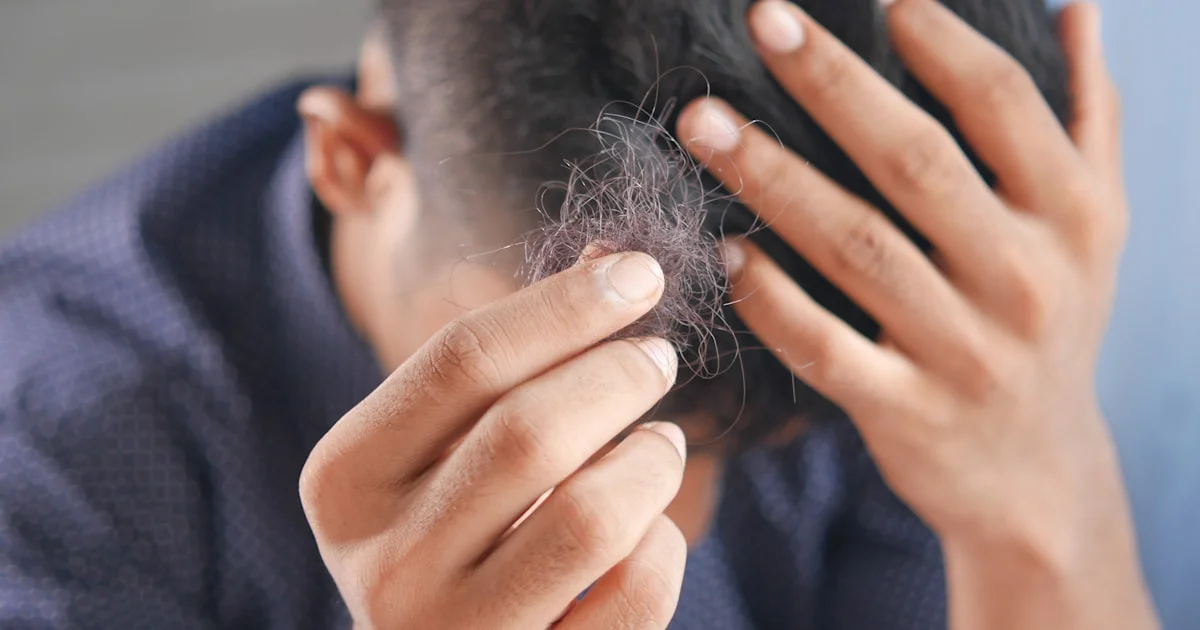
Hair loss creeps up slowly, and by the time you notice it in photos, you have usually been losing ground for a while. The best hair growth laser device is not a miracle, but it is one of the few at-home options with real clinical research behind it. The catch is that the marketing promises far more than the studies do, and knowing the difference saves you both money and disappointment.
Key Takeaways
- Low-level laser therapy works by shining red light in roughly the 620 to 678 nanometer range on the scalp, most often around 650 nm.
- Most cleared devices ask for sessions of about 15 to 36 minutes, three or four times a week, and a few are designed for shorter daily use.
- Published trials ran 16 to 26 weeks. Improvement showed up as early as three months, so plan on a season before you judge anything.
- The research covers mild to moderate pattern hair loss. Severe cases were not studied, and there is no evidence the light regrows hair on a bare scalp.
- No head-to-head studies compare these devices against each other, so “clinically proven” tells you the category works, not that one brand beats another.
What the Best Hair Growth Laser Device Actually Does
The short answer: it uses low-level red light to nudge follicles that are still alive into a longer growing phase, which shows up as thicker, denser hair rather than brand new hair in bare spots.
Every hair on your head cycles through growing, resting, and shedding. In pattern hair loss, the growing phase gets shorter with each cycle and the hairs come back finer, until they are barely there. Low-level laser therapy, usually shortened to LLLT, appears to extend that growing phase. That is why the best hair growth laser device for you is the one you will actually keep using. Stop, and the follicles drift back toward the pattern they were headed for anyway.
This also explains the single most common disappointment. People buy one of these expecting to fill in a bald crown. The evidence supports improving hair you still have. It does not support raising the dead.
Laser Diodes vs. LEDs: Why the Light Source Matters
Two devices can both promise red light therapy and deliver very different things. Laser diodes produce coherent light, which stays tight and travels deeper into the scalp. LEDs produce non-coherent light that scatters more and spreads across a wider area with less punch per spot.
Most of the clinical research behind this category used laser diodes. LED-only caps are usually cheaper, and they are not useless, but the evidence base for LED hair growth specifically is thinner. If you are reading a laser cap for hair loss review that never says whether the device uses lasers, LEDs, or a mix, that omission is the answer.
Wavelength is the other number worth checking. Devices in the studies clustered in the 620 to 678 nm red range. A product that advertises a wavelength well outside that window is not doing what the research studied.
Caps, Helmets, Combs, and Bands: Picking a Form Factor
Form factor decides whether you stick with treatment, which matters more than almost any spec. Here is a plain hair regrowth device comparison of the four shapes on the market.
| Form factor | Best for | Trade-offs |
|---|---|---|
| Cap or hat | Hands-free use while you do something else; even coverage of the whole scalp | Bulkier, warmer on the head, easy to forget under a hood |
| Helmet | The densest diode counts and the most uniform coverage | Heaviest and least portable; you are anchored while it runs |
| Comb or wand | Targeting a specific thinning area, like a part line or temples | Fewest diodes, and you have to hold it and move it for the whole session |
| Headband | Lighter weight, easier to wear around the house | Covers a narrower band of scalp, so placement matters more |
Comb devices carry the fewest light sources, often somewhere between seven and twelve. Helmets sit at the other extreme, with counts ranging from around forty into the hundreds. More diodes generally means better coverage per session, but a best red light hair growth comb pick can still make sense if your thinning is concentrated in one spot and you would rather aim than blanket.
What FDA Clearance Means, and What It Doesn’t
You will see “FDA cleared” on nearly every product page in this category. It is worth knowing what that phrase covers. Clearance is not the same as FDA approval, which is a higher bar used for things like prescription drugs. Clearance means the manufacturer showed the device is substantially equivalent to something already on the market and is safe for its intended use.
That is a genuine filter. It rules out the unregulated gadgets making claims nobody checked. But it is not a promise of results for you specifically, and it does not rank one cleared device above another. Treat clearance as the floor you should not shop below, not as a scorecard.

A Realistic Timeline Before You See Anything
Impatience kills more of these purchases than anything else. Here is what the research schedule actually looks like, in order.
- Weeks 1 to 4. Nothing visible. You are establishing the habit, which is the real work of this stage.
- Weeks 5 to 12. Some people notice less hair in the shower drain first. Shedding slowing down is usually the earliest honest signal.
- Around month three. The earliest point improvement showed up in published trials. Take a photo now and compare it to one from day one, in the same light.
- Months four to six. Where most study data lands. If you are going to see thicker coverage, this is the window.
- Beyond six months. Maintenance. The benefit depends on continued use, so treat this as ongoing rather than a course you finish.
Take photos. Memory is a terrible instrument for measuring slow change, and month-to-month you will swear nothing is happening either way.
Safety, Side Effects, and Who Should Be Careful
This is one of the reassuring parts of the category. Across the published trials, adverse events were minimal, and most studies reported none at all. The light is low level and does not heat or cut tissue.
A few sensible cautions still apply. Do not look directly into the diodes. If you use photosensitizing medication, or you have a scalp condition or any skin lesion you have not had looked at, talk to a doctor before starting.
When to Skip the Device and See a Dermatologist First
Buying a light before you know what is causing the shedding is a common and expensive mistake. LLLT is studied for pattern hair loss. It is not a treatment for hair loss caused by thyroid problems, iron deficiency, a medication you started, a stressful few months, or an autoimmune condition, and those are far more common than people assume.
Get a professional look first if your hair loss came on suddenly, arrived in distinct round patches, involves an itchy, scaly, or painful scalp, or came with other changes in your health. A dermatologist can tell you which problem you have in one visit, which beats six months of pointing a light at the wrong thing.
It is also worth asking about combining treatments. Trials looked at these devices both on their own and alongside other therapies, and improvement showed up either way.
Related Articles
- Facial Toning Device Guide: What Works and What Doesn’t
- Best Heart Rate Monitor Chest Strap: Accuracy and Buying Guide
- Fitness Tracker Buying Guide: Features, Accuracy, Budget
Frequently Asked Questions
A few questions come up again and again once people start shopping. Here are straight answers, based on what the published research supports rather than what product pages claim.
Does a hair growth laser device work on a completely bald scalp?
There is no good evidence that it does. The studies enrolled people with mild to moderate pattern hair loss, where follicles are shrinking but still active. Severe cases were not studied at all. If an area has been smooth for years, this is not the tool for it.
How often do I have to use it?
Most cleared devices call for sessions of roughly 15 to 36 minutes, three or four times a week. A few are built around shorter daily sessions instead. Follow the schedule your specific device was tested on rather than assuming more is better.
Can I stop once my hair improves?
Probably not, if you want to keep the improvement. The effect depends on continuing treatment, much like other hair loss therapies. Think of it as a routine rather than a cure, and factor that into whether the time commitment is worth it to you.
The Bottom Line
Low-level laser therapy is one of the few at-home hair devices with real trials behind it, and the safety record is good. Just buy it for what it does: modest thickening of hair you still have, over months, for as long as you keep using it. Confirm what is causing your hair loss first, pick a form factor you will genuinely wear, and give it a full three months before you decide.


1 Comment
Comments are closed.